Tuesday, June 20, 2006

one more thing....


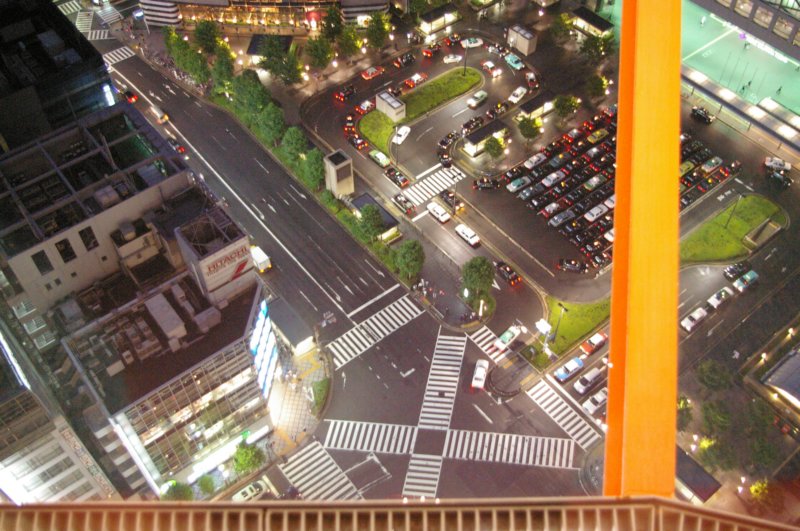
Take a good look at this picture? Anything peculiar ?
Yes, indeed pedestrians can cross in diagonal if they so please :)
A regular traffic light has 2 or 2.5 phases:

Phase 1 -> Axis N-S (forward and right turn or left respectively )
Phase 2 -> Axis E-W (forward and left turn or left respectively )
Half of phase for left turns

One problem with this model is that if it is busy (and Japan is VERY busy :) right turn is very difficult especially if you do not have red-right hand turn (or left hand turn as it would be here).

So their solution is to have 3 phases:

1. N-S (forward and reserved left turn, no pdestrians)
2. E-W (forward and reserved left turn, no pedestrians )
3. pedestrians only

Since they have only 1/3 of the time instead of roughly 1/2 they can also cross diagonally :)


I hope that this post was not to boring, it took me a little time to figure out the logic. In fact I climbed in the tower for this explicit purpose.

local trade


One more post before closing the Kyoto chapter - regarding the life of the people in the city.
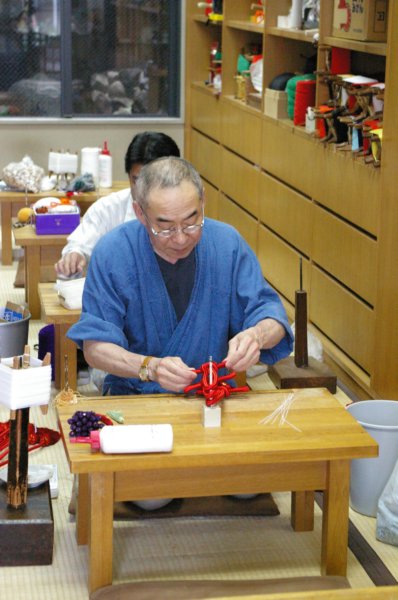
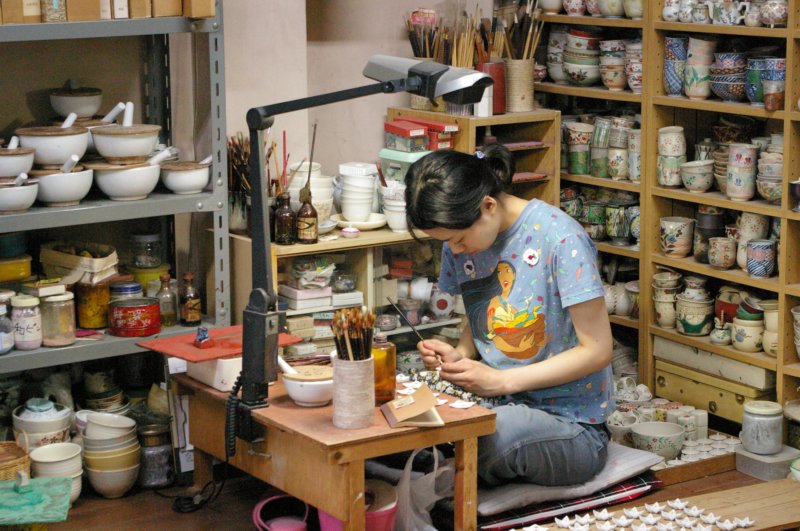
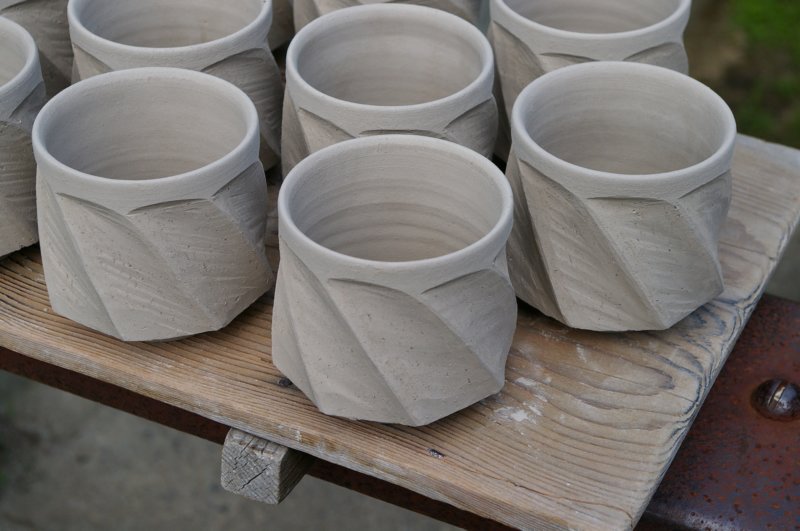
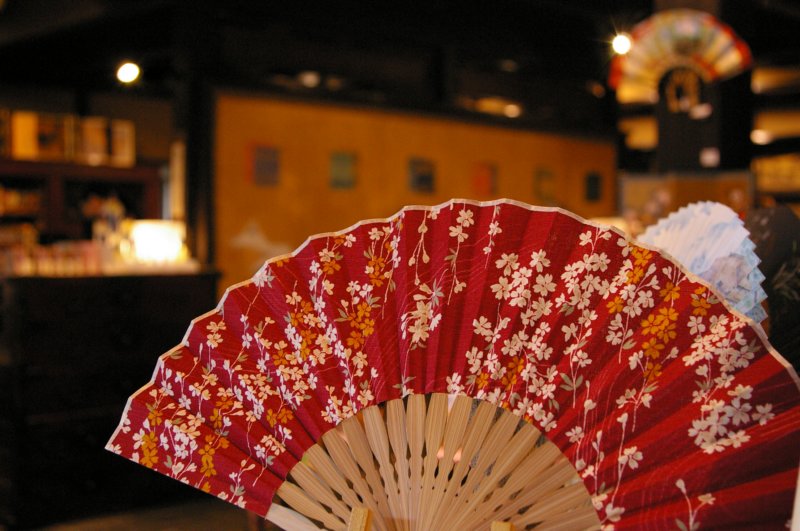
One very interesting characteristic about Kyoto is that although it is a very touristic place, it still has very many craft shops whose work is sold all over the world.

Unfortunately, it is shrinking and the new people are going away from it so it is possible to dissapear in the near future so you can think of this as a set of historical documents :)

The mugs are supposd to be sold for over $100 once they are done :)

Geisha


Travelling to Japan and maintaining a blog, this is a necessary post, but I am not enjoying it too much because regardless of what I show or write people are bound to be dissapointed, mostly because the expectation are so high.

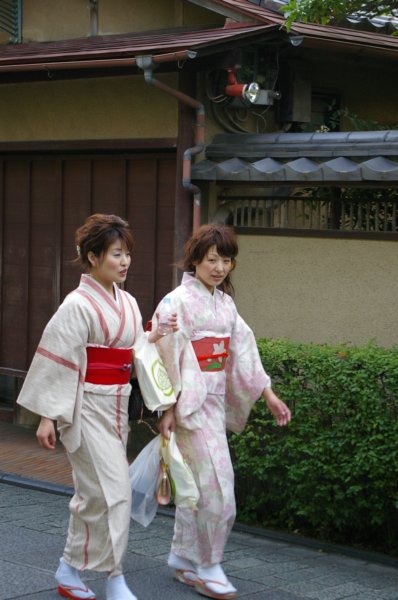
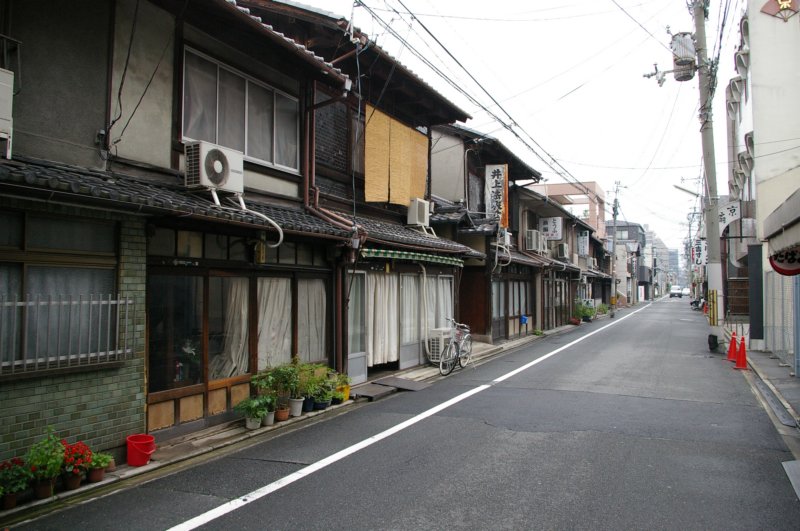
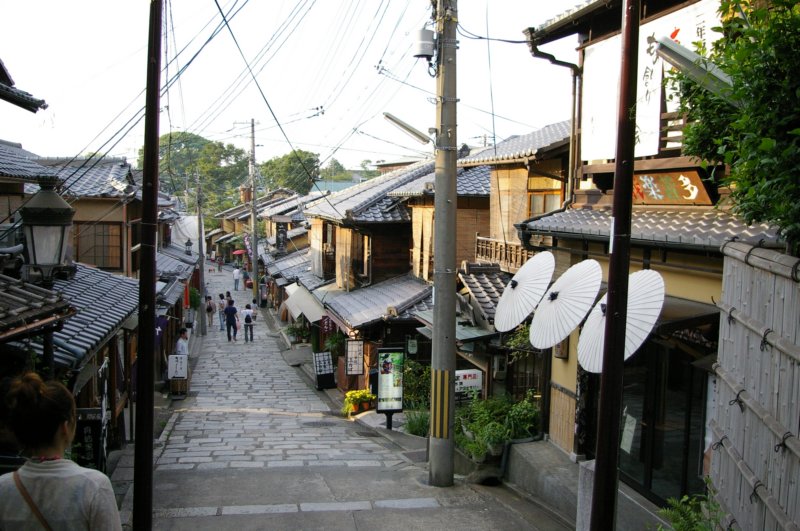
I will not even try to go into the historical or cultural mambo-jumbo, you have wikipedia for that - I will just say that you still see them in Kyoto in the Gion neighbourhood (fig 1) - our guide was very vague as to what is a contemporary Geisha has to do (he only said that it is very expensive :) - but he did show us a Geisha house (fig2) and exaplain the basic beaurocracy: bottom floor is the "manager offices"; top floor is the learning quarters - mostly dance, but he pointed out that Geisha are permanently learning something new, so the learning quarters are not only reserved for new Geishas, and the middle floor is ...

where art imitates life


Well, once again the blogger permutated my images... anyways, I've hunted and surely enough found many cultural, social and technological differences between Japan and the rest of the western world as I know it. After careful consideration I decided not to put them all in my blog but only a few which are proeminent and special somehow.

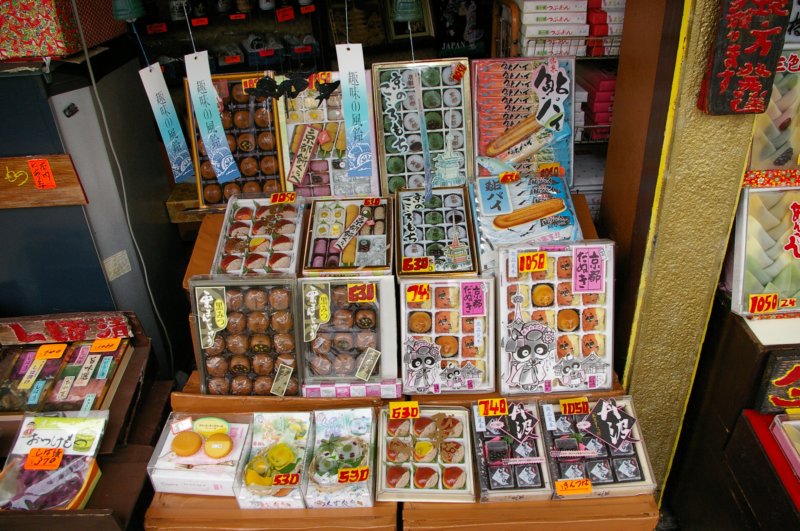
When browsing any food shop you will notice that the boxes are not covered (fig 2) so anyone can take a look inside. THe funny thing is that they look really good, but if you look carefully (and only if you look carefully, fig 1) you will notice that they are all plastic.

You may ask why did I chose this particular example; maybe because it is very widespread among the street vendors to have plastic mocking of their products.

Ryokan


Next day in Kyoto I had to move to a different Hotel since the Swedish familly started to suspect that my loyalties are with the Finns so my life might have been in danger.

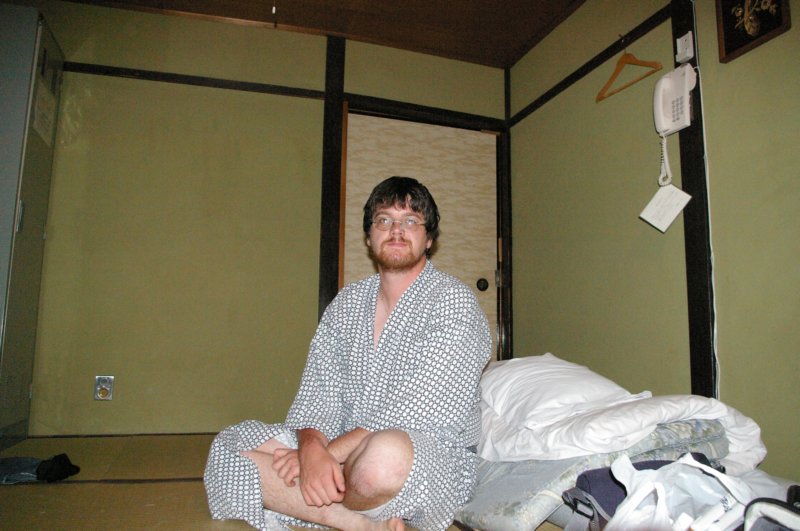
It was the time and the place for me to try the traditional Japanese housing, the Ryokan. (fig).
The basics are that you sleep on a mat on the tatami floor , you get your shoes off at the very entrance, you change your shoes when you go to the bathroom, there is a curfew (11pm) and there is no internet. The curfew does not really mean much, as I pointed out before, Japanese people (at least where I've been) they go to bed really early, but the lack of internet was painful.

In which east meets west in more ways than one


I put lots of pictures... it's time for some stories :) My first night in Kyoto I slept at a backpacker hostel, partly because it was cheaper, but also because there was nothing else available short of four stars hotels. (generally speaking, lodging in Japan was a bit of a problem, but more about that later)

At this hostel I've met two canadians and a family of 8 Swedish poeple, the youngest of which had no more than a couple of months :)

Speaking of canadians, they are everywhere. It is like an epidemic, any corner you turn, any street you walk, anything you do, anywhere you go in this big world you will find at least one canadian, usually more. It is ironic, it is not like they are crowded and searching for some privacy :) They hunt in packs, but they often travel alone, usually for very long periods of times, months at a time. Often they stop and work for a while as English teachers or other humanitarian purposes in less fortunate countries. They are interesting specimens, invariably they all look happy, optimistic and excited to be there. In general people like them because they are friendly and docile -

So when the swedish family guessed that I am from Vancouver, it was a huge compliment. I asked them what gave me away and they reply that they had their doubts, but in the end it was the cycling style that gave me away: the vancouver cycling stroke is known to be aggresive yet very athletic with a specific rythm to it; some people say that Herbert von Karajan was able to conduct the entire Mozart's Marriage of Figaro with ear plugs, just by looking at a promotional video of Stanley park.

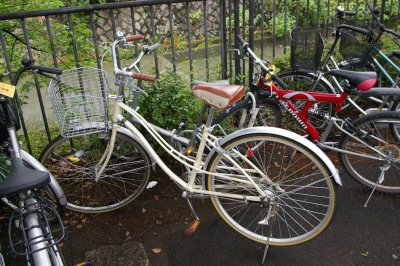
It still remains the question of how did I end up cycling around Kyoto... Bikes here are very cheap to rent, around $6 / day; they have city bikes that are very confortable and you can store the camera in the little front storage compartment (see fig). If it does not rain I must say that this is the ideal way to see Kyoto, oppinion shared by a fellow Duch bycicle expert that I met, one may say by chance, after we collided because he was looking for traffic in the wrong dirction.

Kyoto is big enoug that you cannot traverse it easily by foot, but it is just small enough that you can go from one end to the other in about 45 min of normal pace. It is quite comfortable and you can get a taste of the less touristic sites.

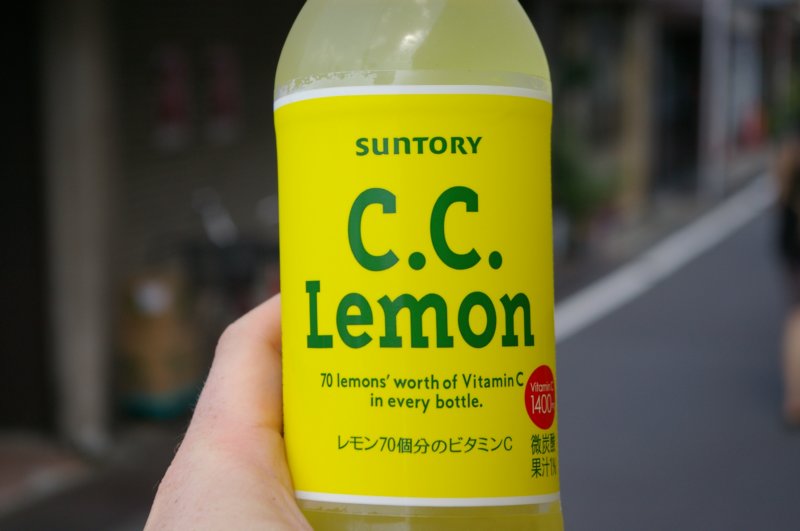
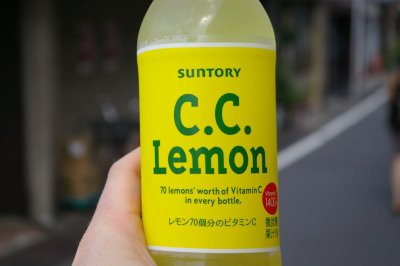
Since the day I came was rainy, the first thing I did was go to a shrine and pray to stop raining. It worked, I have over 30 derees and sunny all days. I must have drinked anywhere between 10 and 20 liters of liquid a day. The lemonade presented above was my favourite :)
Standard Issue Shinto Shrine


Just to give some context, Shintoism was the national Japanese religion before Buddhism. The two religions clashed at the beginning, but as someone in the group pointed out, the Japanese seem to be more spiritual than religious and hence they soon found out practical ways to combine the two. In fact the two seem to co-exist in harmony. As our guide put it: Buddhism deals with the afterlife and Shintoism deals with the everyday fortune. For instance, if you have an exam or need money you go to a Shinto Shrine and not a Temple.

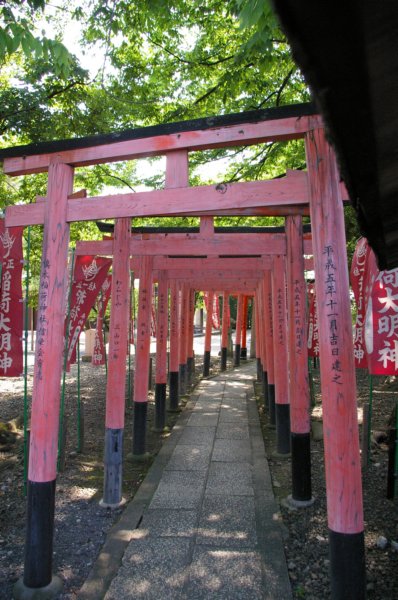
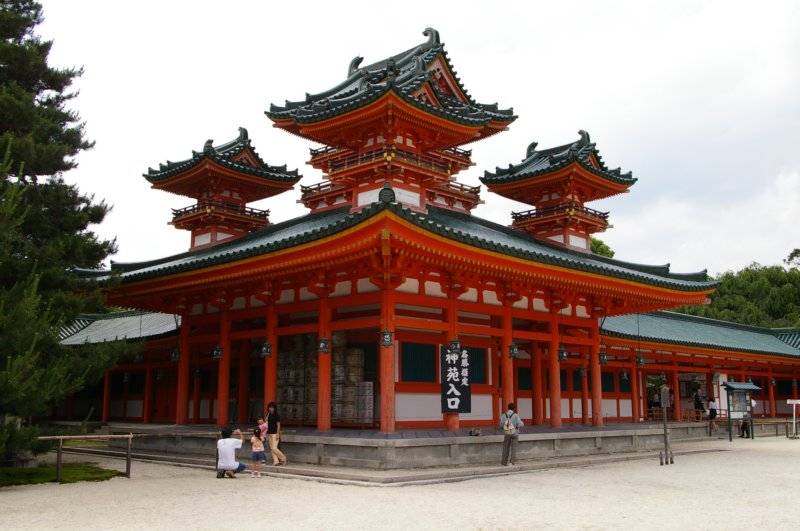
A Shinto Shrine is trivial to identify:

  1. It is usually very colorful (fig 1)
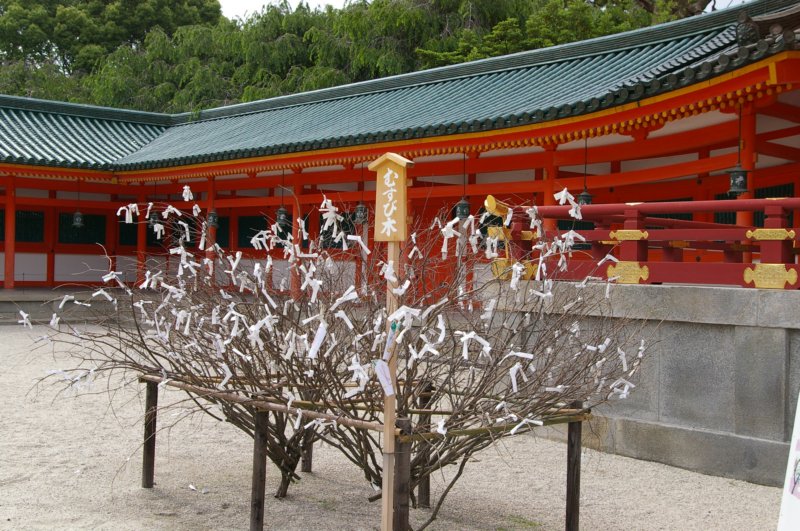
  2. It always has this sign at the entrance (fig 2)
Shinto how to:

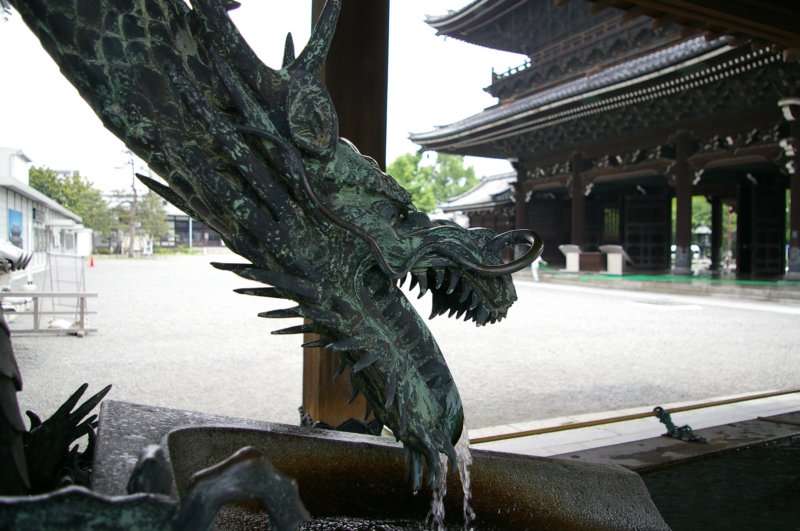
  1. First you wash your hands (fig 4).
  2. You donate some money
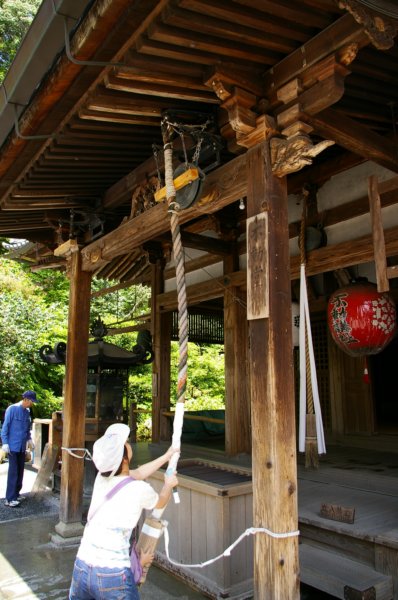
  3. You ring the bell (fig 5) to make sure that the respective God is around to listen to you
  4. In addition to the bell, you clap your hands (not shown)
  5. You bow.
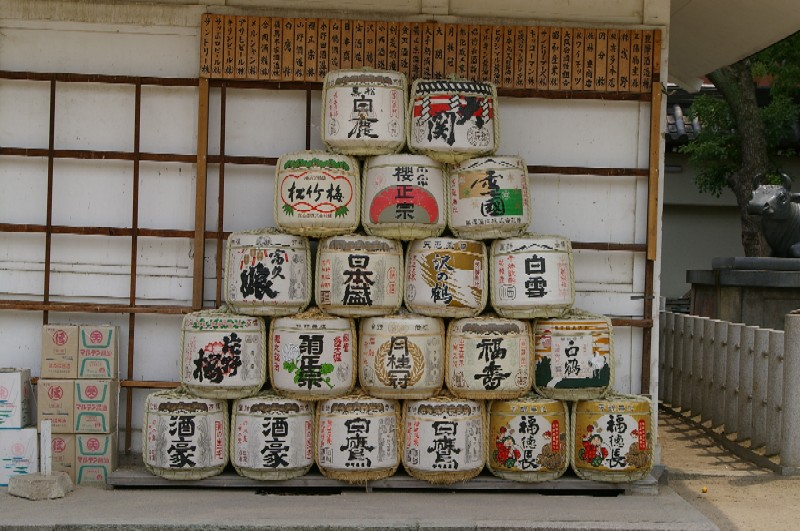
The last picture is not a very nice Shrine, but it belongs to the God of learning (so even if it is actually located in Osaka, I put it here). You can also tell that it belongs to the God of learning by the amount of Sake stored nearby.

I just realized that the pictures were reorder by "logger" so try to figure out the permutation... I am too tired.

Walk in Kyoto Talk in English...


The one and only guided tour that I did in Japan (so far) was this one :)
A 5 hour walk with this guy and a bunch of tourists with itchy fingers (look who's talking).

He provided us with Shintoism for dummies (nxt post). and Japanese Buddhism for dummies.
Apparently, according to him, in the Japanese version of Buddhism everybody goes to heaven.
The temple that we visited was being renovated hence only one outdoor picture with the main gate.

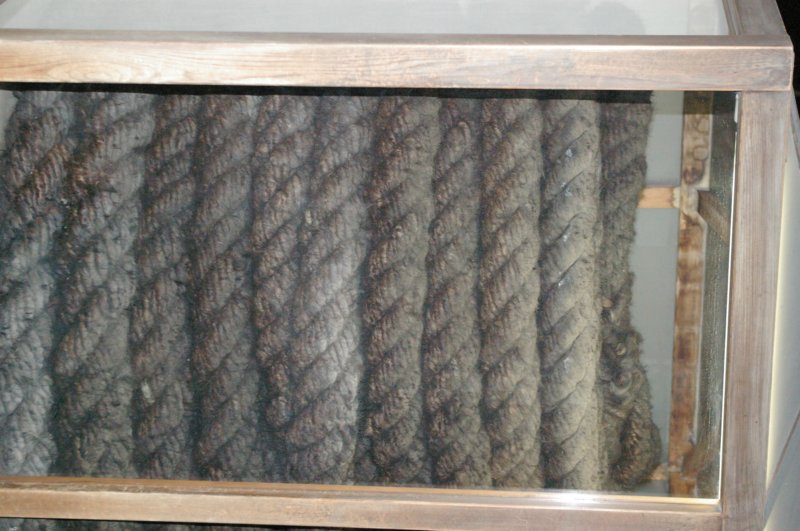
Btw, the rope is made out of human hair.

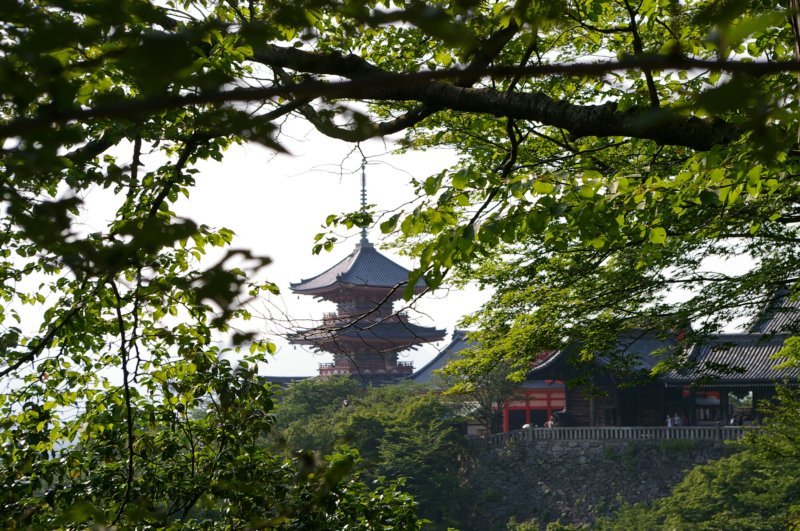
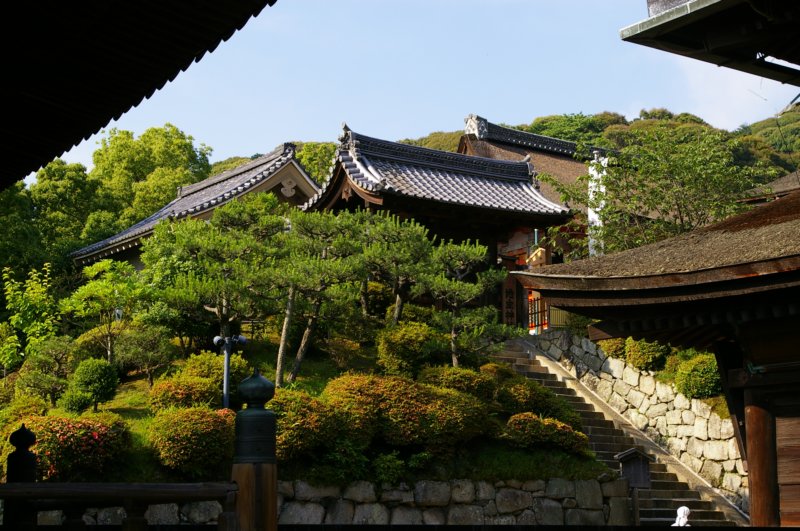
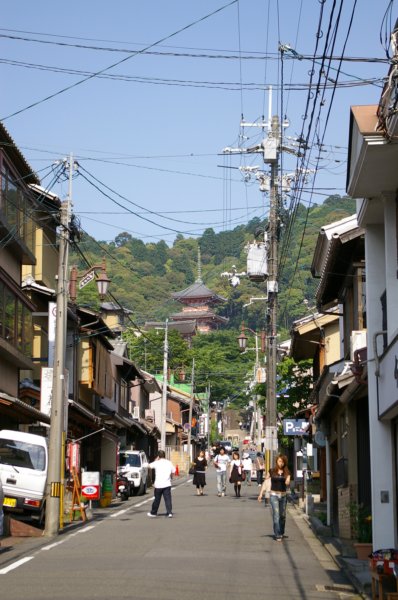
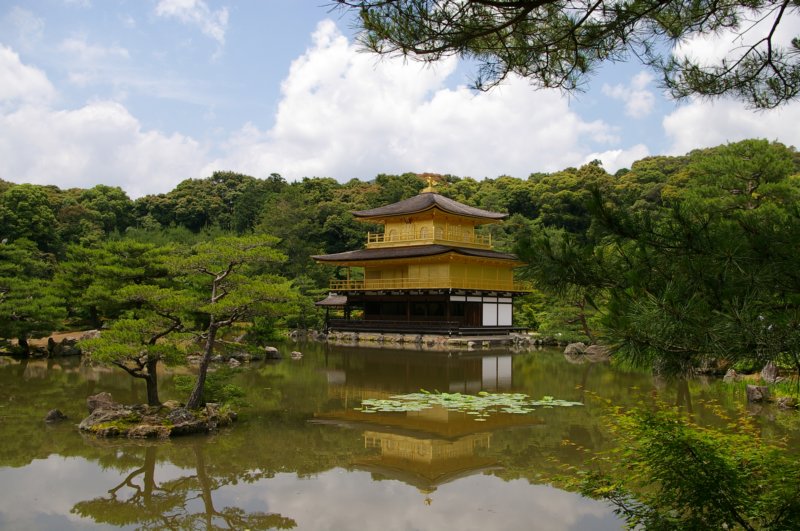
The picturesque Kyoto


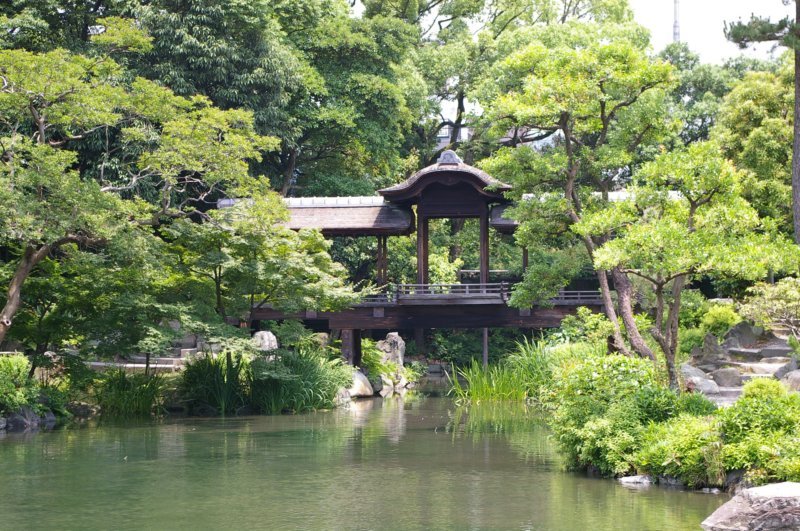
It's good to be the ... Shogun


Not only you have your own up-scale real-estate, your own tea-party, your own garden, but you even get your own dock...

Saturday, June 17, 2006

Next stop...Kyoto

The conference is over, the vacation starts. As I was very busy during the conference I am writing all these in the bullet train bound to Tokyo that I really starting to get very fond of. The speed is so high that the pressure in my ears changes and I have to equalize every once and a while. I am hoping to be able to update the blog daily form now so I record the impressions while still fresh.

Now, close to the half way point, I have to say that I appreciate the movie much better than I did before and I can say that the mood and the atmosphere is very accurate. Also Japanese culture is very close to the stereotype; in some sense this can spoil the experiences to some extent, but on the other hand every once and a while you are very surprised by something you did not expect… usually some type of food or some building or some people and the sum of all these experiences makes traveling so great and Japan so very appealing and different.

Dine out if you can...

Dining experiences in Matsushima were quite authentic, to the point that we had no common language and the restaurants had no pictures or plastic molding of their food (a lot more about this later). First time we luckyli had a japanese in our group who facilitated the conversation to some extent. I had fresh fresh water eel (by fresh I mean it was alive just minutes before being served)

The only annoying thing was that everything closes at 6 with very few exceptions. This on top of the fact that it gets dark at 7:30 (Japan doesnot observe daylight savings) it made the whole trip a little spooky.

My first temple…


Part of the organized events was a visit to the local temple and a cruise on the bay.

In all honesty, I am not a big fan of temples, but in a few days I might change my mind. This temple called… is a medium size temple and we learned from an English guide who did not speak English that well the traditional structure and rituals that used to happen there. The most interesting thing was the hara-kiri room where otherwise very capable samurai were committing suicide upon losing their “lord; between 16-20 samurai per lord, depending on the context. Obviously from a modern standpoint it does not make any sense, but the defending argument was that it was a culture of honor and respect. I always thought that hara-kiri is a practice that was helping the “victim” escape being captured which was a bit of a pain before the Geneva convention not to mention that it was the ultimate shame for a samurai. It also helped the victim not to give the satisfaction to be killed by his opponent and had the practical aspect that you could not be tortured to provide sensitive information.


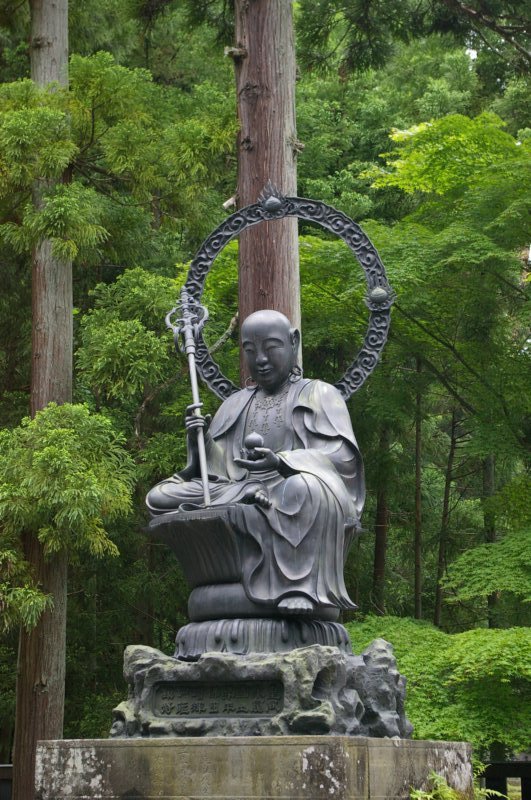
Another interesting features of these temples is that the gardens have carved walls with statues (see fig)

SMI 2006


The conference which was the main purpose of my trip was a huge success and very entertaining. We had complimentary breakfast, lunch and dinner every day and everything was outstanding, everybody from Asians to Europeans to North Americans gave many thumbs up to the organizers.

Little town Japan


After an afternoon at Tohoku University and Sendai we finally headed towards our final destination: Matsushima. Matsushima (fig) is a little resort town on the pacific coast famous for its islands(fig). Small and coquette, it also features thermal baths and some natural wonders (fig). We were staying at Tosoku Hotel, a wonderful high scale hotel nicely located on top of a hill overseeing Matsushima bay (fig).

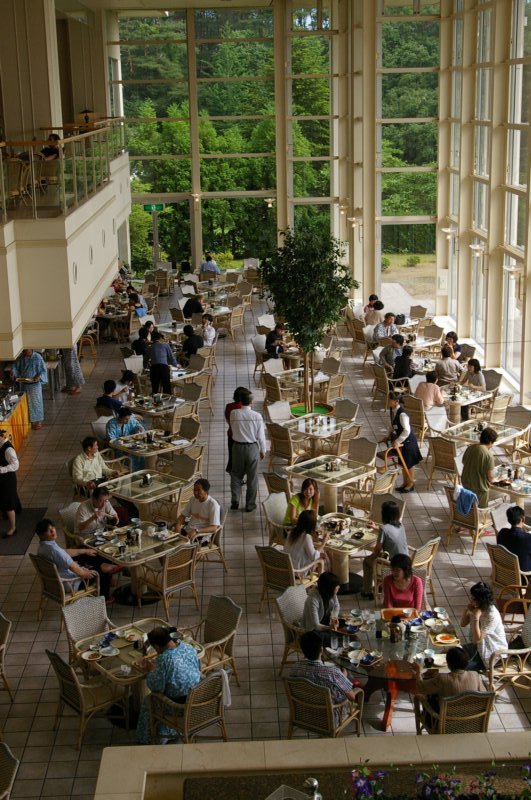
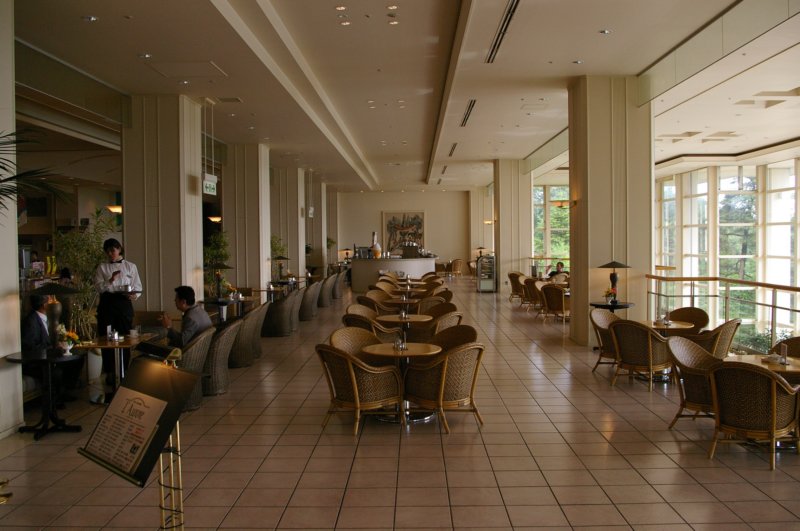
Fairly standard item as far as hotels go, it had the whole range of services: from hot baths and massages, several restaurants from traditional Japanese to French cuisine to live music every day and some shops.

For Japanese, the thermal baths were the main local attraction. Since you go inside absolutely naked (only an optional 10cmx10cm towel to cover the private areas) pictures were not really an option, but they were not really that different than any thermal baths around the world. What was special was that the baths were used uniformly throughout the day (and not just in the evening as I would have thought) and everybody were walking around the hotel in kimonos complimentary from the hotel (fig)